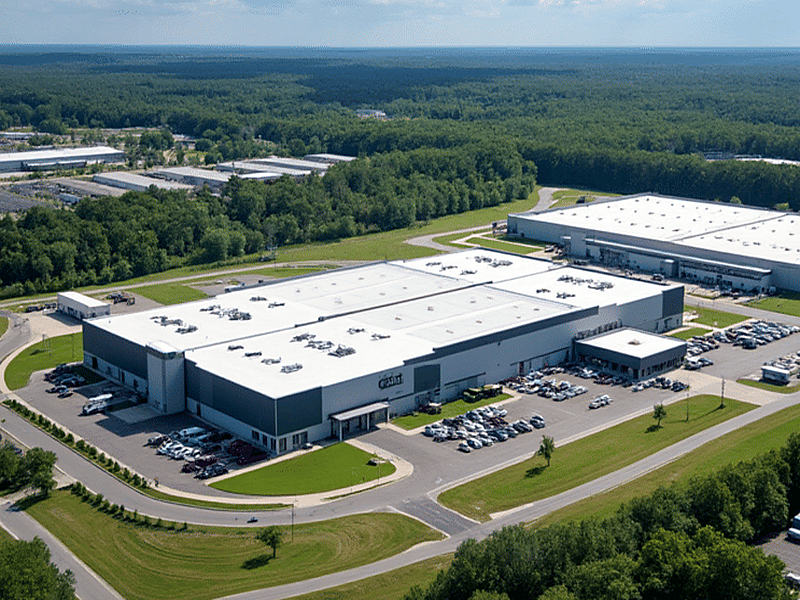
Environmental contamination can delay expansion, complicate property transactions, increase operating costs, and create long-term environmental liability. Whether you are managing an active manufacturing facility or a legacy industrial property, remediation needs to support both regulatory objectives and business priorities.
VIYA develops site-specific remediation strategies that help manufacturing companies and industrial landowners move contaminated sites toward regulatory closure or productive use on a predictable timeline. Using integrated biological, chemical, and thermal treatment technologies, we remediate contaminated soil and groundwater impacted by chlorinated solvents, petroleum hydrocarbons, PFAS, heavy metals, and other industrial contaminants.
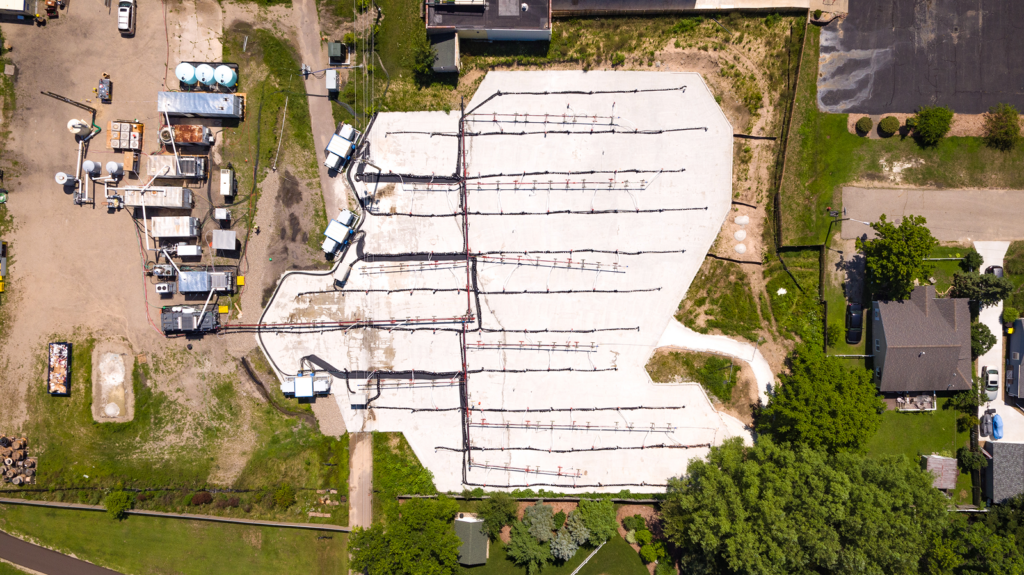
Manufacturing facilities rarely have the option to pause operations for environmental cleanup. VIYA’s in-situ biological, chemical, and thermal remediation technologies are designed to treat contamination below ground with minimal surface disruption, allowing remediation to progress while facilities remain operational.
VIYA works with environmental managers, engineering teams, consultants, and property owners to structure remediation programs that align with operational realities, property transaction timelines, and regulatory closure objectives. We provide the independent technical documentation, monitoring data, and reporting needed to support insurance claims, regulatory approvals, and environmental due diligence processes.
Where We Add the Most Value
Chlorinated solvent contamination (TCE, PCE, and related compounds) affecting soil and groundwater
Complex groundwater plumes from historical solvent use (common in metal fabrication, electronics manufacturing, dry cleaning, and chemical processing facilities)
High-concentration source zones requiring thermal remediation or integrated treatment technologies
Tight regulatory timelines and demands requiring accurate and documented data monitoring
Active manufacturing facilities where operations must continue throughout remediation
Aggressive regulatory or redevelopment timelines requiring defensible monitoring and documented performance
Reduce Long-Term Liability
Develop remediation strategies that reduce long-term exposure and support a clear path towards regulatory closure and no further action(NFA)
Stay on Schedule
Align remediation activities with production schedules, redevelopment plans, permitting requirements, regulatory milestones, and property transactions.
Protect Property Value
Support continued operations, facility expansion, or redevelopment with remediation solutions designed for long-term site performance.
Our Solutions
Integrated Solutions for Industrial Sites
No two manufacturing sites are alike. VIYA uses a technology-agnostic methodology, selecting the treatment approach tailored to your contaminants, site conditions, operational constraints, and regulatory objectives.
Biological Treatment
In-situ biological treatment using proprietary BAM technology for sites where contaminant immobilization and transformation pathways can create a stronger remediation outcome.
Integrated chemical oxidation and amendment-based strategies selected and tuned to site conditions, contaminant profile, and remedial objectives.
clients served
Trusted Globally.
We are proud to partner with industry leaders and innovative teams to deliver results that matter. Here are a few of the organizations we’ve worked with over the years.
VIYA has consistently demonstrated exceptional technical proficiency, seamless navigation through complex local, state, and federal environmental regulation, and an unwavering commitment to safety and regulatory compliance.
VIYA's team has been a constructive thought partner as we navigate PFAS remediation planning and implementation.
VIYA drove concentrations at one monitoring well from 22,500 parts per billion to below 1 - and stayed with us through more than a decade of phased remedy. They adapt as the site changes, and they treat long-term outcomes as their own
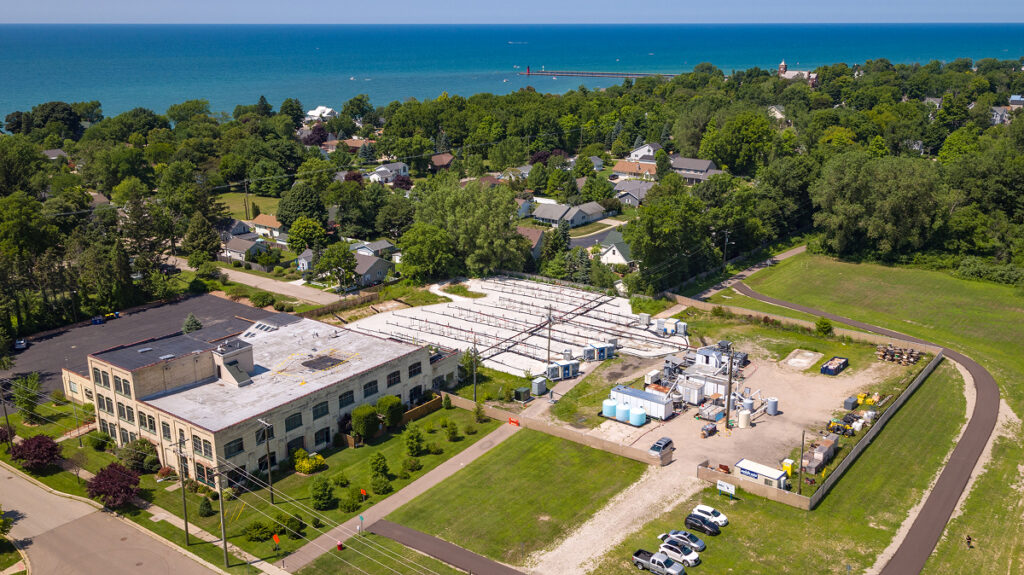
Passive BAM booms and pillows achieved 73% total PFAS reduction (4,530 to 1,231 ng/L) in Michigan tannery surface water collection vaults.
Industrial / Manufacturing
Michigan,
USA
Bring VIYA Into Your Next Complex Remediation Challenge
Every remediation site brings its own subsurface conditions, contaminant behavior, regulatory requirements, and closure goals. VIYA helps technical teams evaluate the full range of thermal, biological, chemical, in-situ, and ex-situ options to identify the most effective, defensible treatment strategy for the problem at hand.
Explore real-world remediation projects where VIYA’s technology-agnostic approach, field expertise, and integrated treatment strategies have been applied to complex site conditions.