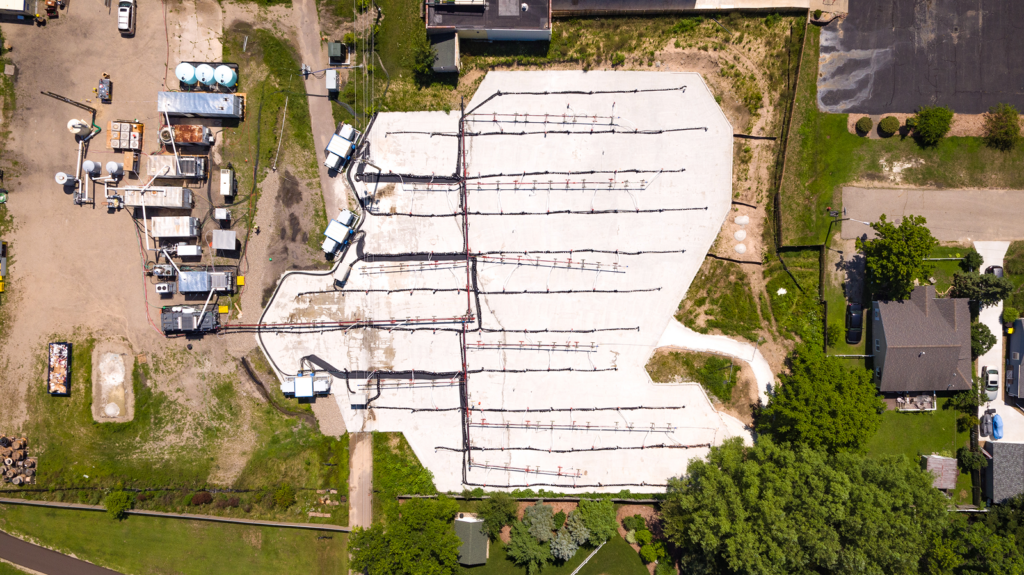
Our Approach to PFAS Mitigation
Beyond Containment.
Toward Real PFAS Remediation.
VIYA enables technical teams to move beyond management-only approaches with site-specific strategies that transform, and reduce PFAS, supported by in-house biological and thermal capabilities, field validation, and independent third-party data.
The Challenge
Persistent Chemistry
Carbon-fluorine bonds make PFAS highly persistent, mobile, and difficult to break down, allowing them to migrate through water and accumulate in people and ecosystems.
The Reality
Management is no longer enough
Global regulatory expectations including EPA guidance and state standards continue to evolve. Stakeholders increasingly expect reduction or destruction, not temporary containment.
The VIYA Advantage
Lasting PFAS remediation
VIYA’s patented, independently verified technologies go beyond containment to address PFAS at the source, transforming and eliminating contaminants in place to convert temporary exposure control into lasting remediation.
VIYA's Unique PFAS Bioremediation Approach
99%+ Reduction through Absorbent Media + Aerobic Degradation
VIYA’s patented PFAS remediation methodology combines PFAS capture with biologically supported degradation inside a porous carbon-based treatment media.
VIYA’s patented absorbent media, BAM™, is produced from pyrolyzed recycled biomass and provides a high internal surface area, up to 1,133 m²/g. Its interconnected pore structure adsorbs PFAS compounds into the media and concentrates them along protected internal surfaces. This increases contaminant retention within the treatment zone rather than allowing PFAS to continue migrating with groundwater.
VIYA then introduces aerobic bacteria with documented C-F bond cleavage to consume PFAS in place, avoiding secondary waste streams.
1
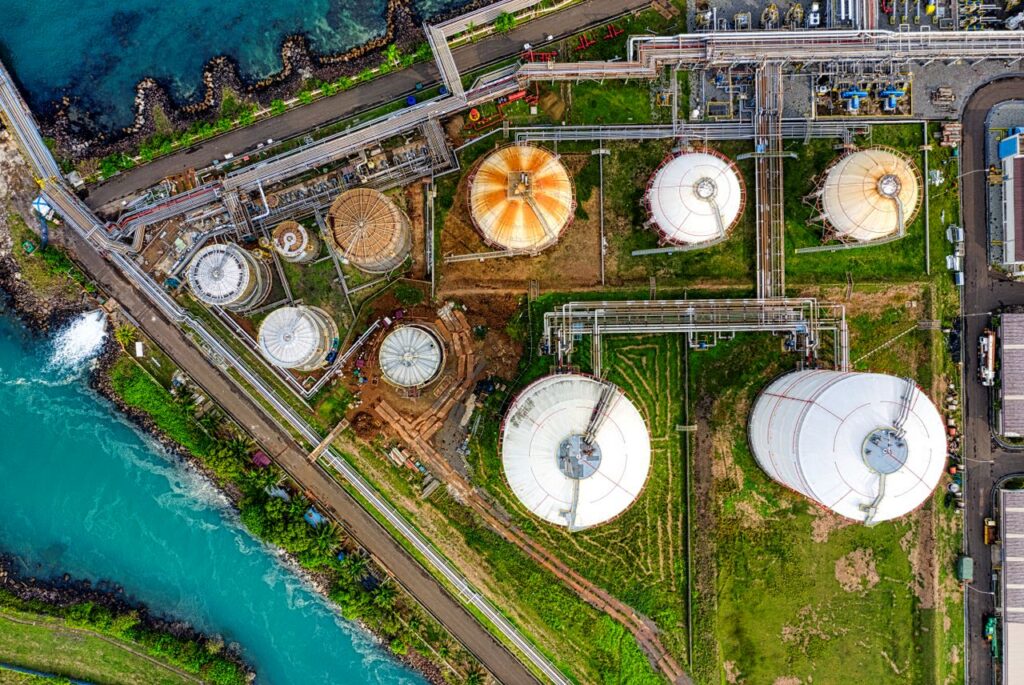
PFAS Impacted Soil or Groundwater
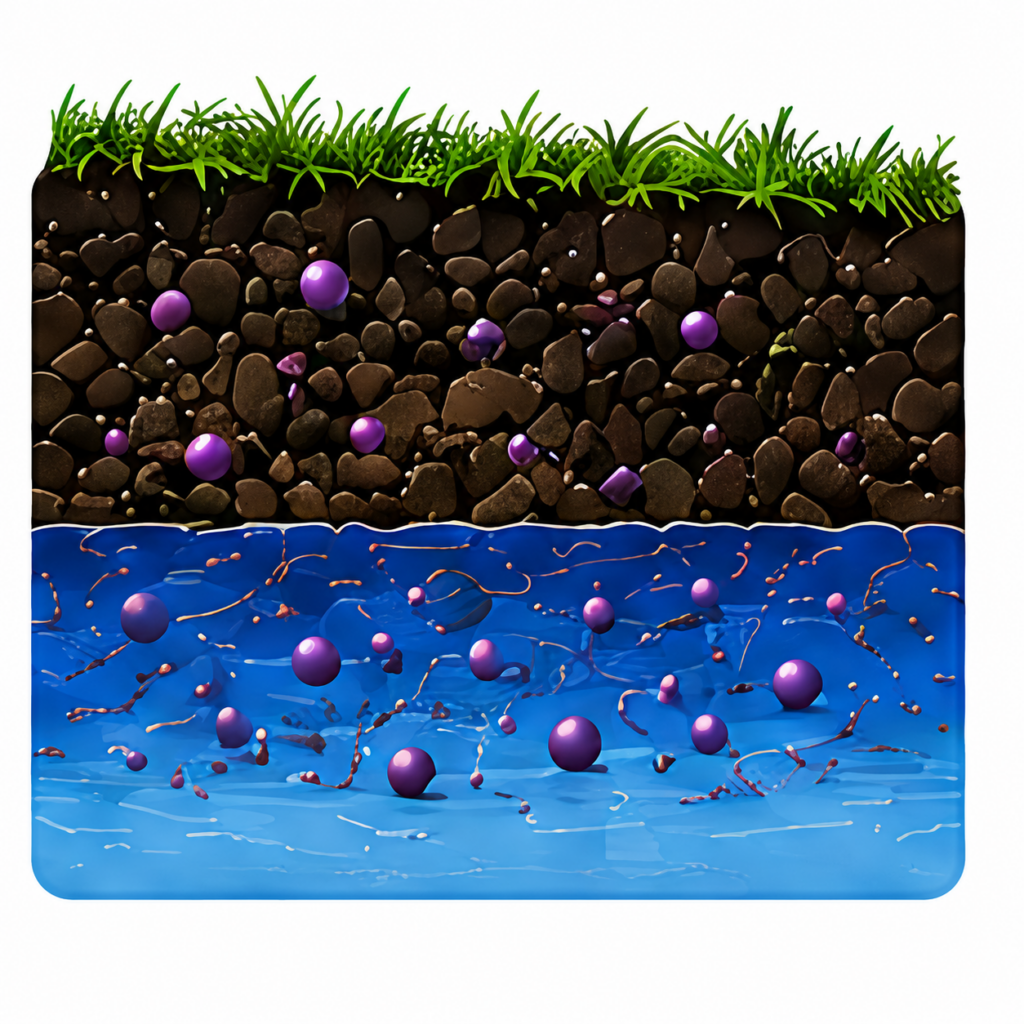
Present in soil, groundwater, process water, or sludge.
2
BAM™ Captures & Concentrates PFAS
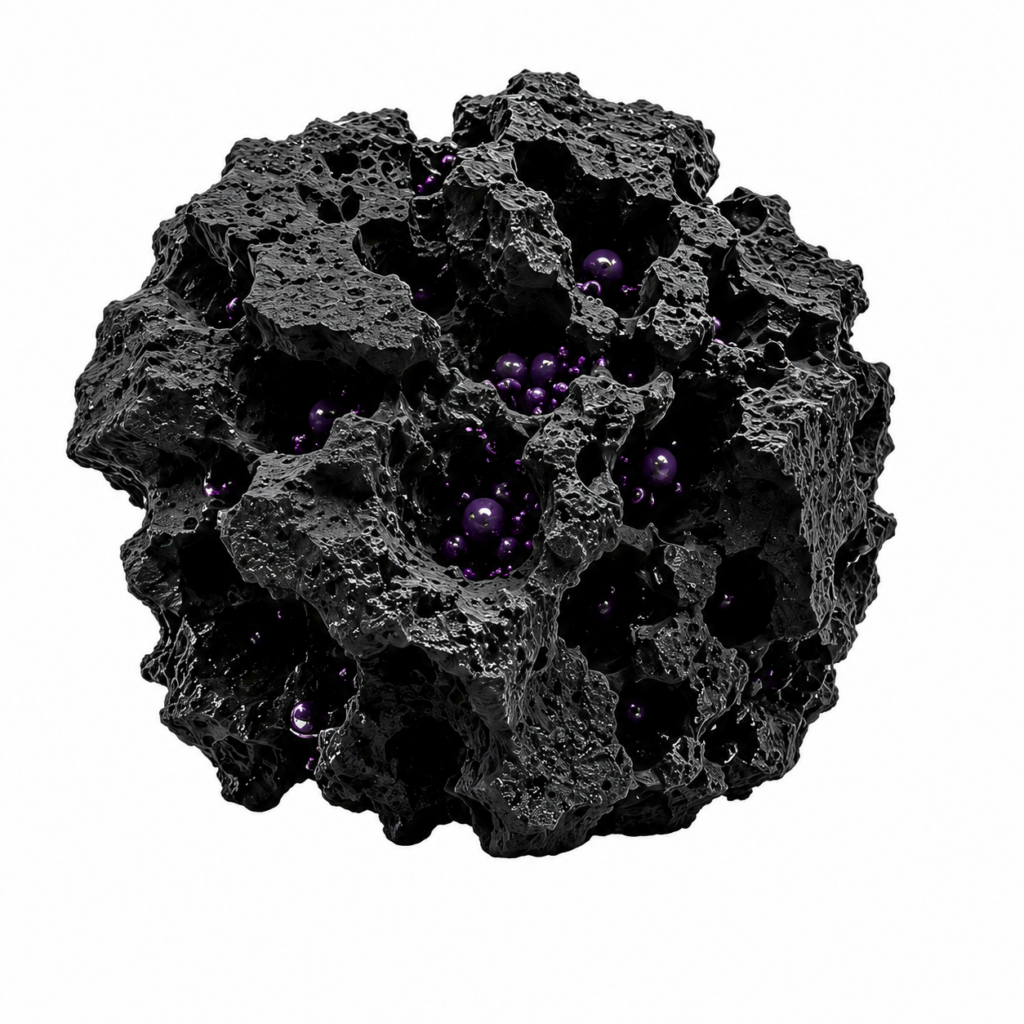
BAM’s interconnected pore structure adsorbs PFAS compounds into the media and concentrates them along protected internal surfaces. This increases contaminant retention within the treatment zone rather than allowing PFAS to continue migrating with groundwater.
3
Microbial Colonization
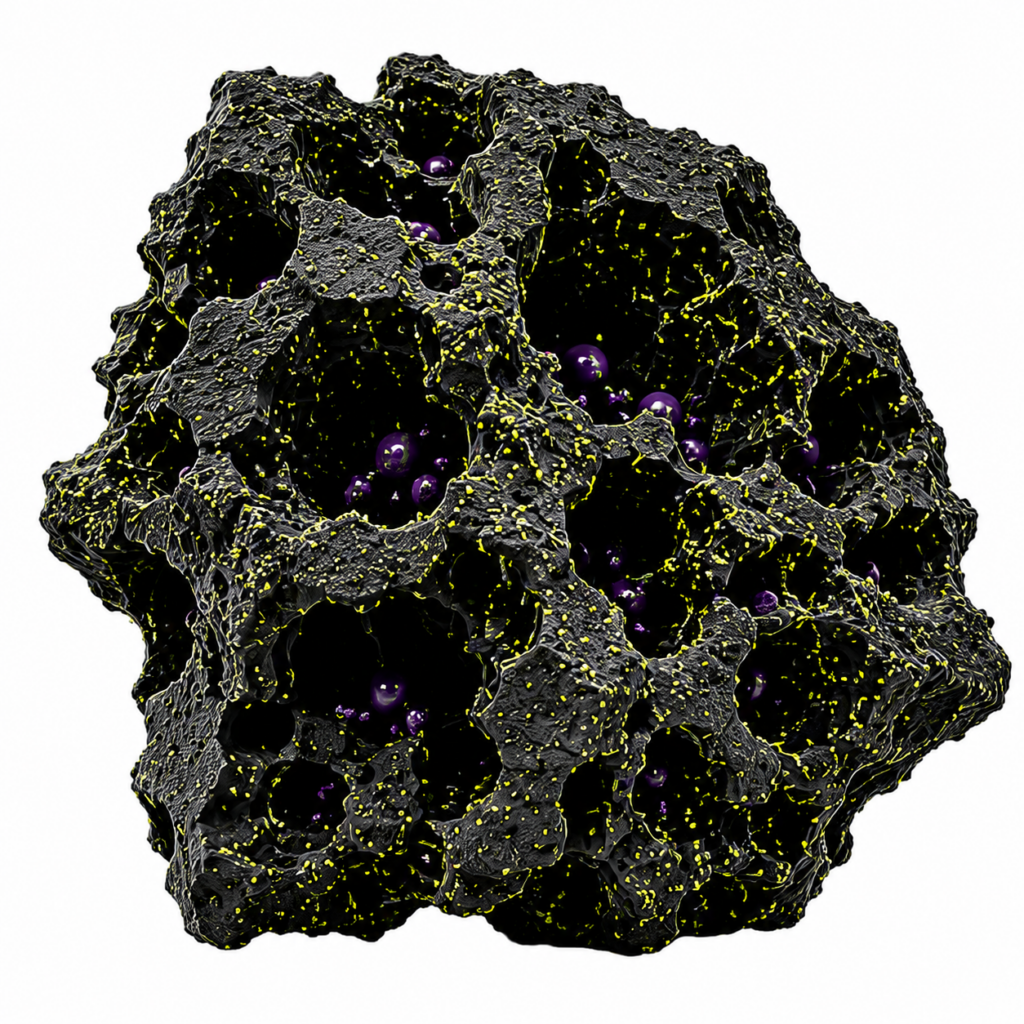
Selected aerobic bacterial strains establish within the BAM matrix, where they remain in close contact with adsorbed PFAS compounds. This proximity is central to the process. BAM creates conditions where bacteria, oxygen, and concentrated contaminants can interact within the treatment media.
4
Aerobic Biodegradation & Deflourination
PFAS concentrations decrease
Fluoride concentrations increase
Aerobic conditions sustain performance
Under oxygen-rich treatment conditions, the bacterial strains support defluorination by helping cleave carbon-fluorine bonds that contribute to PFAS persistence. Maintaining sufficient dissolved oxygen within the treatment zone is critical because the process depends on aerobic biological activity.
5
Reduced
PFAS Mass
PFAS is retained within the media while supporting active degradation, reducing reliance on long-term transfer-and-disposal management. Free fluoride generation, correlated with dissolved-oxygen delivery, has been observed in laboratory studies and in-situ field demonstrations. PFAS retention has been confirmed through TCLP and SPLP testing, with results independently verified across multiple sites and regulatory jurisdictions.
VIYA's Thermal Approach to PFAS Remediation
Heat PFAS at the Source
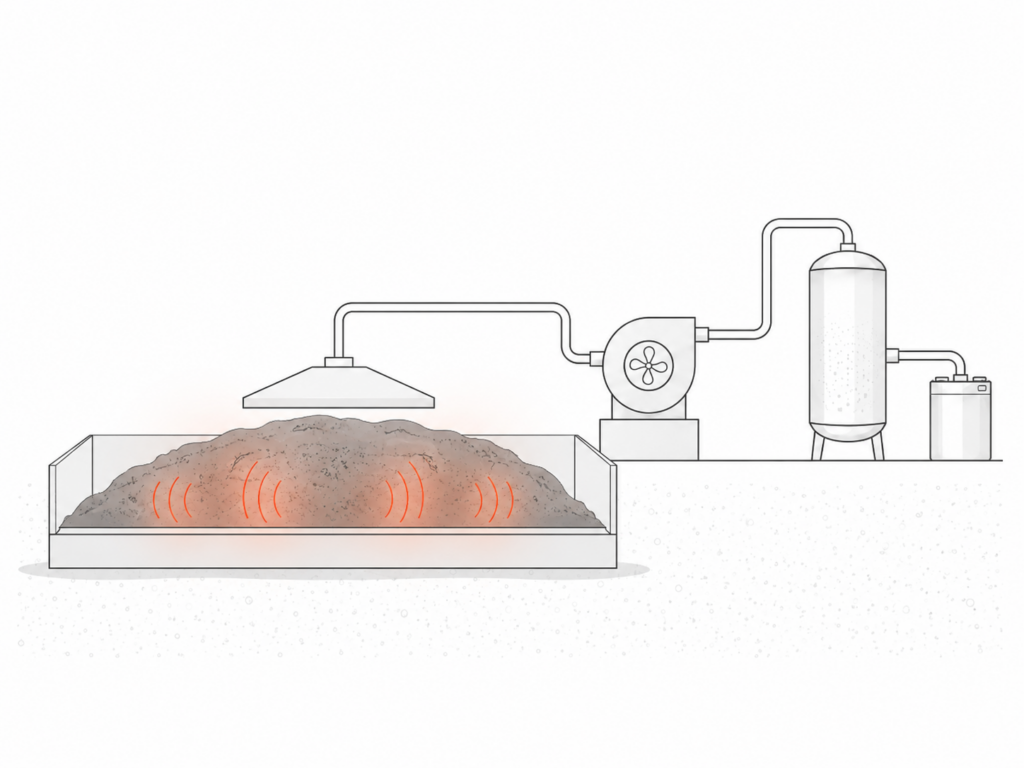
VIYA’s IT-DSP™ technology uses high-temperature inductive elements capable of sustaining more than 650 °F within the treatment zone, driving thermal desorption, mobilization and capture of PFAS in high-concentration source areas.
How it Works
Precisely controlled IT-DSP™ heaters raise soil temperatures to mobilize and desorb PFAS contaminants. These contaminants are captured through an engineered vapor-extraction system and treated above ground using granular activated carbon before being removed for proper disposal.
Laboratory studies have demonstrated PFAS and PFOA removal efficiencies of greater than 99% at temperatures above 650 °F over relatively short treatment periods.
Each system is continuously monitored and optimized for site-specific conditions and can be deployed for both in situ and ex situ treatment.
CASE STUDIES
Real PFAS-Impacted Sites
Independently Verified Results.
Bioremediation for PFAS

- Airports / Aviation
- Wisconsin,
- USA
Complex Hydrocarbon & PFAS ISTR at Across Nine Impacted Areas

- Oil & Gas
- California,
- USA
Bioremediation for PFAS in Groundwater

- Industrial / Manufacturing
- Michigan,
- USA
FAQs
Dive into the Science Behind Our Approach.

How do your bacteria break down PFAS if the C-F bond is so stable?
VIYA’s microbial isolates are collected from sites where PFAS has been present long enough that native organisms have evolved metabolic pathways capable of utilizing PFAS as a carbon substrate. Laboratory studies and field demonstrations have confirmed free fluorine release from PFAS-impacted samples treated with these bacteria.
Why not just use activated carbon?
Granular activated carbon (GAC) adsorbs PFAS to its outer surface. That surface is quickly colonized by biofilm, which limits ongoing adsorption capacity. More importantly, GAC captures PFAS, it doesn’t destroy it. The contamination remains present and requires eventual disposal. BAM™ captures PFAS inside its honeycomb pore structure, resists surface biofouling, and couples’ absorption with biological degradation so sorbed contaminants are consumed in place rather than accumulated.
What is an electrooxidation system and why does it matter?
An electrooxidation system installs steel electrodes into the subsurface in a grid pattern, typically on 10-foot centers. Low-voltage DC current flows between the electrodes, causing water molecules in the groundwater to split via hydrolysis generating dissolved oxygen at the anode. That oxygen is used directly by the aerobic PFAS-degrading bacteria in the treatment zone. The system operates continuously, sustaining aerobic conditions without truck deliveries, surface infrastructure, or single-dose limitations. It can also oxidize contaminant molecules directly through the electrochemical reactions it drives.
What contaminants does this approach work on beyond PFAS?
The same platform — BAM™ + aerobic microbes + electrooxidation — has been applied to chlorinated solvents (PCE, TCE, and related compounds), petroleum hydrocarbons (benzene, toluene, xylene), and mixed-contaminant environments where PFAS co-occurs with CVOCs or petroleum. Aerobic microbial breakdown of chlorinated solvents avoids the daughter product accumulation (vinyl chloride, cis-DCE) that characterizes anaerobic reductive dechlorination, and the results are typically faster.
Continue Exploring VIYA’s Remediation Approach
Our Technology Agnostic Approach
Charting New Paths in Remediation
VIYA is uniquely set to lead this new frontier in environmental remediation, transforming the industry with our innovative technology-agnostic solutions for the most challenging contamination projects.
Our Approach to Innovation
Purposeful Innovation
With 60 years of field-proven experience, 17 patents, and an intricate test & learn process, VIYA’s approach to innovation brings together scientific rigor, applied research, technical expertise, and practical knowledge to uncover more effective solutions and advance better outcomes.
Ready to Go Deeper?
Let’s Evaluate What’s Possible at Your Site.
VIYA works with engineering consultants, regulators, and responsible parties to design the most technically defensible path forward. From bench-scale and pilot studies to full-scale deployment, we are ready to address PFAS contamination at your site.