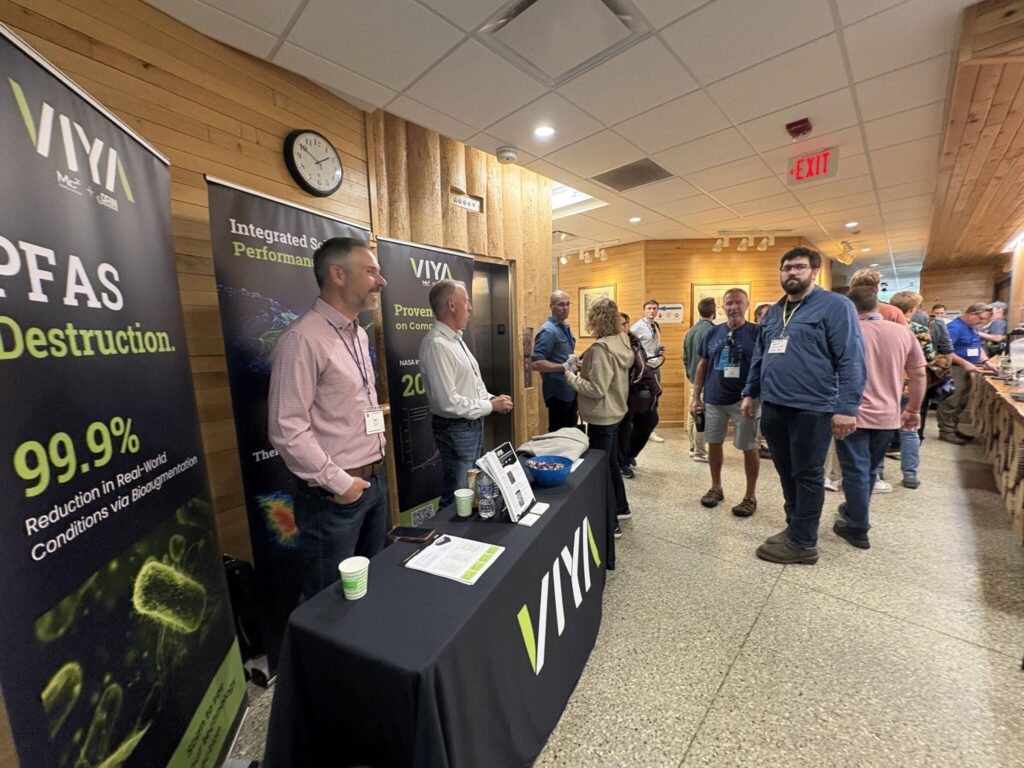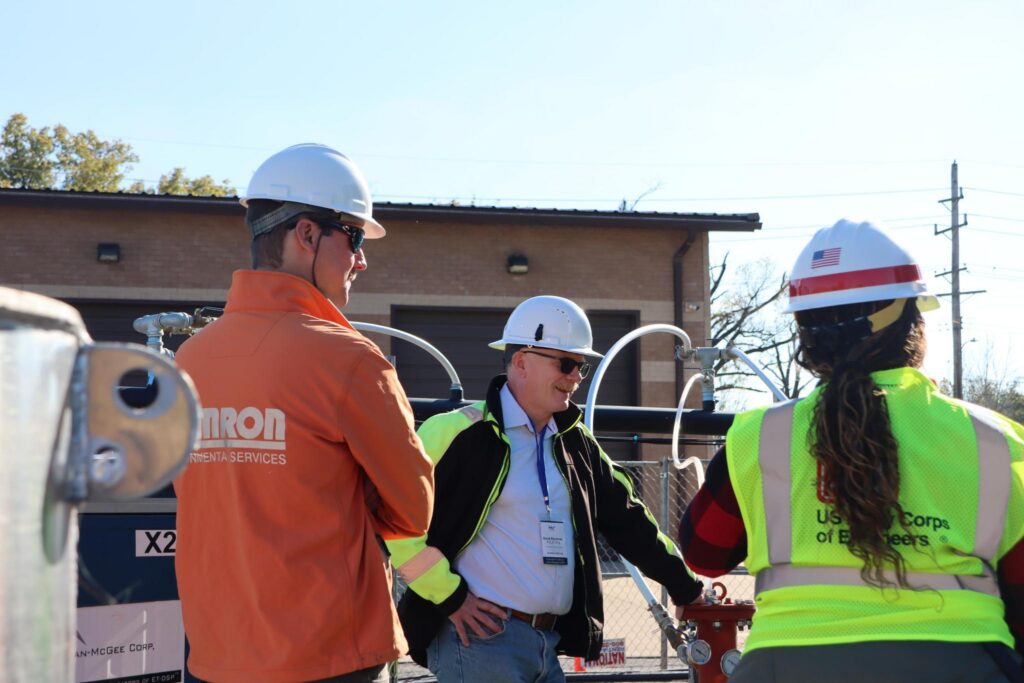
The 2026 Battelle Chlorinated and Recalcitrant Compounds Conference took place in Fort Worth, Texas from May 31 through June 4. Every two years, this conference brings together some of the most technically rigorous thinking in environmental remediation, and the 2026 program did not disappoint.
VIYA was on the ground throughout the week engaging with practitioners across the industry, and contributing to the technical program as a thought leaders and exhibitors.
After the conference, it was interesting to find that the conversations that stayed with us weren’t primarily about technology performance, but were about something that sits earlier in the project lifecycle and tends to carry more weight than the industry often acknowledges.
The Gap That Keeps Showing Up: Somewhere between Site Characterization and Environmental Remediation Approach
Across case studies spanning contaminant classes, remediation types, and regulatory contexts, a common thread emerged: The recurring issue wasn’t technology. It was that remediation approaches and designs were being built on site knowledge that wasn’t complete enough to support them.
This isn’t a new tension. Scope, budget, and schedule constraints shape what can be known before remediation is selected, and that uncertainty doesn’t disappear. In fact, it carries forward into design, implementation, and ultimately performance evaluation. When a technology underdelivers, the root cause is often traceable not to the technology itself, but to the uncertainty baked in much earlier in the project.
What was notable at this year’s conference was how consistently that dynamic surfaced across otherwise very different projects. The variable wasn’t the remediation. It was the foundation the remediation was built on.
Why This Matters More as Sites Get More Difficult to Remediate
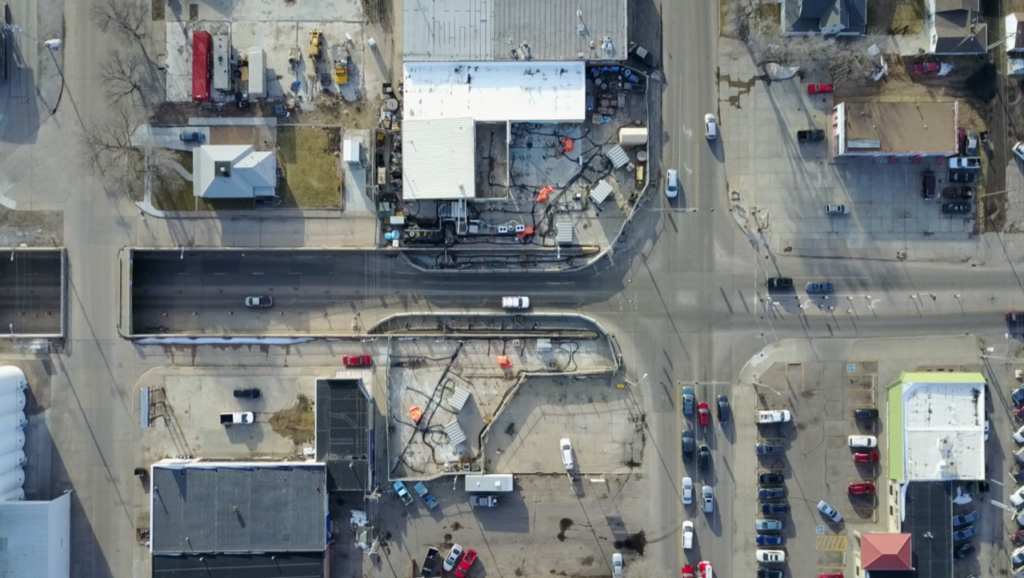
The industry is taking on more complex challenges: PFAS, co-mingled plumes, sites with multiple historical remediation events layered on top of each other. As site complexity increases, the margin for misalignment between characterization, conceptual site model development, and remediation design narrows considerably. Source zone definition, transport pathway understanding, and a clear picture of the mechanisms driving risk are the prerequisites for designing a remediation approach that can actually achieve closure.
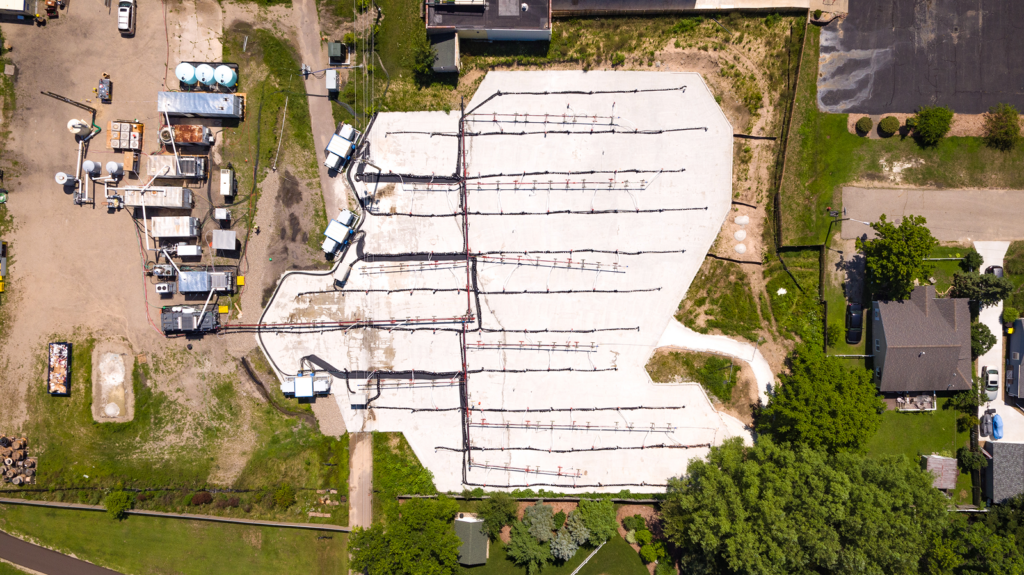
That’s where VIYA sees the greatest opportunity to improve project outcomes. Better technologies matter, and VIYA’s ability to work across thermal, biological, and chemical treatment gives our teams flexibility that single-technology providers don’t have. But technology selection is only as good as the site understanding that informs it. The strongest outcomes are achieved when characterization, conceptual site modeling, remediation design, and treatment execution are aligned from the start.
The Goal Is Permanent Removal
The objective at every site VIYA works on is the same: remediate contamination for good. Achieving that requires the right remediation treatment approach, applied with an understanding of site conditions, risk drivers, and project objectives. The Batelle Chlorinated Conference reinforced that the path to that outcome runs directly through the quality of the foundation that precedes it.
If you’re working through a complex site and want to talk through characterization gaps, remediation selection, or treatment approach, reach out to the VIYA team today.