Environmental remediation is one of the few fields where your work directly and measurably improves the health of communities and ecosystems. It is also one of the more dynamic sectors in the broader environmental industry — driven by regulatory change, scientific advancement, and a growing national and global reckoning with the legacy of industrial contamination.
For students, early-career professionals, and experienced engineers and scientists looking for meaningful work with real staying power, environmental remediation deserves serious consideration.
Why Environmental Remediation Is a Growth Field
The scale of the contamination challenge in the United States alone is significant. The EPA’s Superfund program has identified thousands of sites requiring cleanup. PFAS contamination is now recognized at military installations, airports, industrial facilities, and drinking water sources across the country. And the broader category of hazardous waste sites — contaminated by chlorinated solvents, heavy metals, petroleum hydrocarbons, and other legacy pollutants — represents a cleanup burden that will take decades and a sustained professional workforce to address.
According to the U.S. Bureau of Labor Statistics, employment in environmental remediation and related fields is projected to grow at rates above the national average, driven by regulatory expansion, increased federal funding for environmental cleanup, and growing private sector investment in environmental liability management.
https://www.bls.gov/green/environmental_remediation/remediation.htm
This is not a field that will be automated away. Remediation requires field judgment, site-specific problem-solving, and the kind of integrated technical expertise that takes years to develop.
What Environmental Remediation Professionals Do
The remediation field encompasses a wide range of roles, from hands-on field work to engineering design, project management, regulatory affairs, and scientific research. A few of the core professional functions:
Environmental Engineers design remediation systems — from groundwater extraction networks to in situ treatment configurations — and oversee their implementation. They work at the intersection of civil, chemical, and environmental engineering, translating site characterization data into treatment plans that can be built and operated in real-world conditions.
Geologists and Hydrogeologists develop the conceptual site models that underpin remediation design. Understanding how contaminants move through soil and groundwater — and predicting how they will respond to treatment — requires deep expertise in subsurface geology and hydrology.
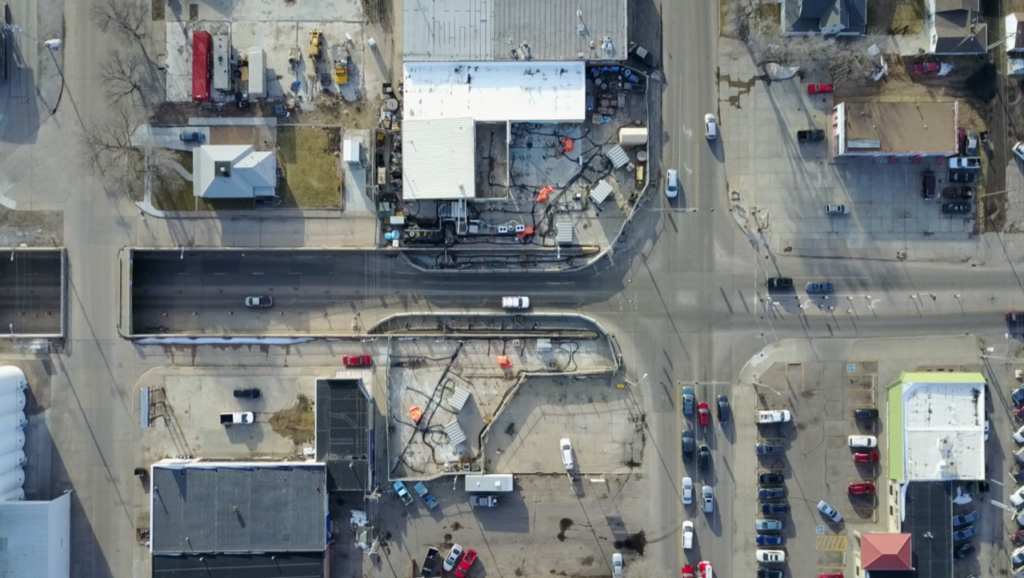
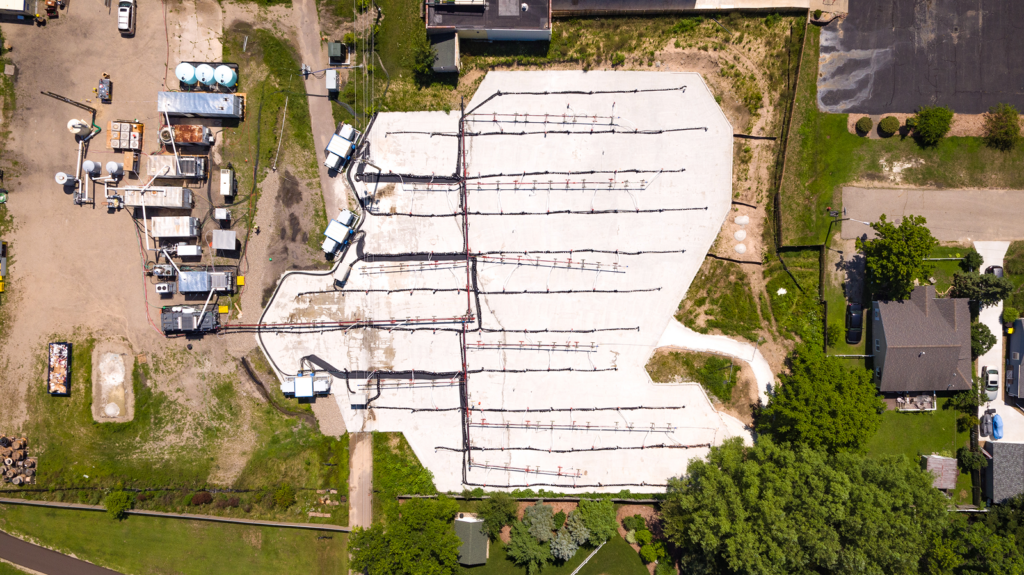
Field Technicians and Operations Staff implement remediation systems in the field, operating equipment, collecting samples, managing data, and ensuring that treatment systems perform as designed. This is demanding, hands-on work that builds deep practical knowledge of how remediation actually works.
Project Managers and Environmental Consultants coordinate the technical, regulatory, and client-facing dimensions of remediation projects, managing timelines, budgets, stakeholder relationships, and regulatory agency interactions.
Environmental Scientists conduct laboratory and field research, develop new treatment approaches, and analyze data to evaluate the performance of remediation systems.
Career Pathways in Remediation
Entry into the remediation field typically comes through environmental engineering, environmental science, geology, hydrogeology, or chemistry programs at the undergraduate or graduate level. Many practitioners begin as field technicians or junior engineers and develop their expertise through project experience, mentorship, and continuing professional education.
Professional certifications — including Professional Engineer (PE), Professional Geologist (PG), and various remediation-specific credentials — play an important role in career advancement and are often required for senior project responsibility.
The field rewards technical depth, but also values the practical judgment that comes from field experience. Some of the most effective remediation practitioners are those who have spent time in the field early in their careers and developed an intuition for how subsurface systems behave that goes beyond what models can predict.
Skills and Qualifications
Technical skills that are particularly valued in the remediation field include subsurface characterization and site investigation, environmental sampling and analytical methods, groundwater modeling, remediation system design and engineering, regulatory compliance and report writing, and data analysis and interpretation.
Equally important are the professional skills that define effective practitioners: clear technical communication, the ability to work across disciplines and in multidisciplinary teams, and the judgment to make sound decisions under uncertainty — which is the normal condition of subsurface remediation.
The PFAS Era and What It Means for the Workforce
The emergence of PFAS as a dominant remediation challenge has reshaped the field’s workforce needs. PFAS chemistry is complex, the regulatory environment is evolving rapidly, and the treatment technologies capable of destroying PFAS are more sophisticated than many conventional remediation approaches.
This creates genuine demand for professionals with PFAS-specific expertise — in site characterization, analytical chemistry, treatment technology, and regulatory affairs. For early-career professionals, developing deep knowledge in PFAS remediation is one of the most strategically sound investments they can make in their career trajectory.
Why a Career in Remediation Is Meaningful Work
Environmental remediation professionals clean up communities. They restore groundwater that families depend on for drinking water. They enable the redevelopment of land that has sat blighted for decades. They protect ecosystems from contamination that would otherwise persist for generations.
The work is technically demanding, often conducted in challenging field environments, and rarely celebrated in the way that higher-profile environmental disciplines sometimes are. But for those who find meaning in solving hard problems with real consequences, it is difficult to find a more compelling professional path.
Careers at VIYA Environmental
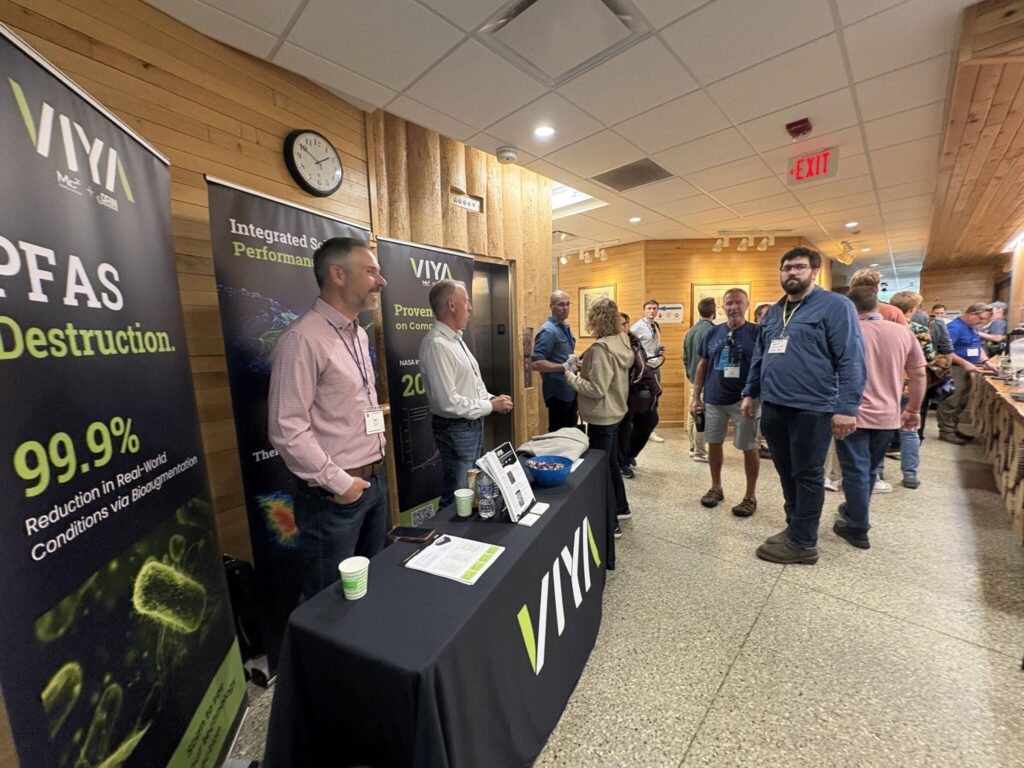
VIYA Environmental is building the team that will define the next chapter of pollution remediation. We are looking for engineers, scientists, field professionals, and project managers who are motivated by the challenge of solving the industry’s hardest problems — and who want to do that work at a company built specifically for complexity.
To learn more about career opportunities at VIYA, visit our careers page.